Understanding the Benefits of a Play Kitchen
In the realm of childhood play, few experiences are as enriching as engaging with a play kitchen. These toys not only provide countless hours of entertainment but also serve as powerful tools for development. As children mimic the actions of cooking and serving food, they delve into a world of imagination and creativity that fosters a multitude of learning opportunities. Understanding why these playsets resonate so deeply with kids can help parents choose the best toys for their little ones.
Why Do Children Love Play Kitchens?
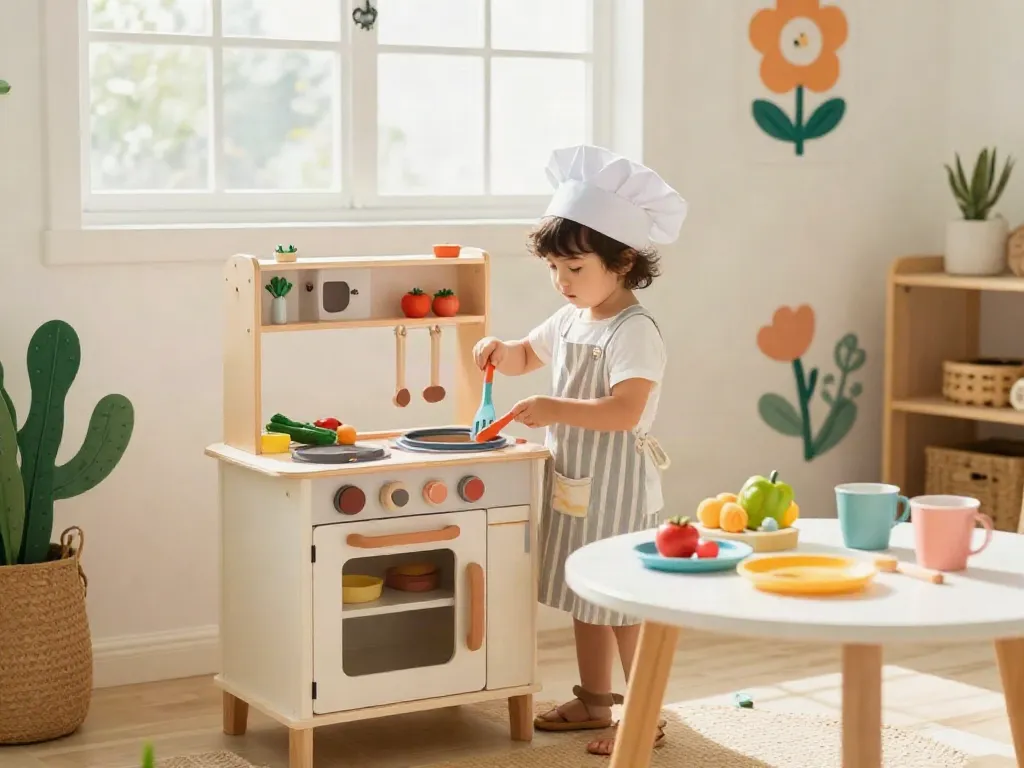
From toddlers to preschoolers, children are naturally drawn to activities that mimic adult behaviours. Play kitchens allow them to step into the shoes of a chef, providing a safe space to explore their culinary creativity. The vibrant colours, realistic sound effects, and interactive features found in modern play kitchens capture the attention of children, making them an irresistible choice. Additionally, these kitchens often come equipped with accessories that encourage role-playing, allowing children to act out various scenarios that they observe in the adult world.
Developmental Skills Enhanced by Pretend Cooking
Engaging with a play kitchen helps children develop a range of important skills, including:
- Cognitive Skills: Following recipes or creating their own meals enhances problem-solving abilities and enhances memory.
- Fine Motor Skills: Manipulating small utensils and food items aids in developing dexterity and hand-eye coordination.
- Social Skills: Playing with others fosters teamwork, communication, and negotiation skills as children share and collaborate during play.
How Play Kitchens Foster Creativity and Imagination
Play kitchens provide a blank canvas for children’s imagination to flourish. They allow for open-ended play, where kids can invent their own stories and scenarios. This type of play is crucial for emotional development as it encourages children to express feelings and thoughts through their characters and actions. By engaging in pretend cooking, children can explore themes of nurturing, sharing, and the joy of creation—vital components of their emotional growth.
Choosing the Right Play Kitchen for Your Child
When selecting a play kitchen, it's essential to consider various factors to ensure it meets your child's needs and preferences. The market is flooded with options, from compact models suitable for smaller spaces to expansive setups that offer a plethora of features.
Features to Consider in a Play Kitchen
Key features that should influence your choice include:
- Interactive Elements: Look for kitchens with sound effects, lights, and movable parts that provide a more immersive experience.
- Size: Ensure that the kitchen fits well within your available space while being appropriate for your child's age and height.
- Accessories: Many kitchens come with cookware, utensils, and food items that can enhance play. Assess the diversity and quality of these accessories.
Best Materials for Safety and Durability
Children's safety should be the top priority when choosing a play kitchen. Opt for kitchens made from non-toxic materials that are free from sharp edges. Wooden play kitchens are often durable and sturdy, while plastic options can provide more interactive features. Whichever material you choose, ensure it adheres to safety standards to provide peace of mind during playtime.
Age-Appropriate Options: What to Look For
Different age groups will benefit from various types of play kitchens. For younger toddlers, a simple, smaller kitchen with fewer features may be more appropriate. In contrast, older children or those with more experience may appreciate a larger kitchen with multiple appliances and accessories. Always check the manufacturer's recommendations regarding age suitability to ensure safe, enjoyable play.
Setting Up a Play Kitchen at Home
Creating an engaging play space for your child can significantly enhance their experience with a play kitchen. Consider the following tips for setting up a delightful centre for imaginative cooking adventures.
Creating an Inviting Play Space
Choose a dedicated area that is well-lit and easily accessible. Consider adding a small table and chairs for your child and their friends to sit and enjoy their culinary creations. Incorporating bright colours and playful decor can make the space feel exciting and welcoming, encouraging your child to engage with their play kitchen regularly.
Organizing Accessories for Easy Access
Having ingredients and tools easily accessible can make play more enjoyable and realistic. Use bins or shelves to organise play food, utensils, and kitchenware. Labelling the bins can help older children develop their literacy skills as they learn to read and recognize words. This organisation will also make clean-up easier after playtime.
Incorporating Realism with Play Food and Tools
Add to the immersive experience by using play food that resembles real-life items. This not only helps with imaginative play but also teaches children about healthy eating and nutrition. Investing in a variety of utensils and pots can also enhance the realism of play, allowing kids to engage in more complex cooking scenarios.
Enhancing the Play Kitchen Experience
Once the play kitchen is set up, there are numerous ways to enrich your child's interactive experience. Engaging activities can further develop their skills and imagination.
Engaging Activities for Interactive Play
Encouraging your child to host a pretend dinner party can be a fantastic way to use their play kitchen. They can invite family members to partake in their 'restaurant' experience, further developing social skills as they take orders and serve their creations. Alternatively, you can set up a mock cooking competition, where children can create dishes based on a theme.
Educational Games and Role-Playing Scenarios
Incorporating educational games can significantly enhance the play kitchen experience. For example, you can introduce simple math problems by asking them to measure ingredients or count how many plates they need for their guests. Role-playing different scenarios—such as managing a restaurant or preparing a family meal—can spark creative thinking and enable children to explore various social roles.
Involving Family: Cooking Together with Kids
Encouraging family involvement can amplify the fun. Cook together in the kitchen while mirroring activities in the play kitchen. Discuss ingredients, cooking techniques, and the importance of teamwork in the kitchen. This not only enhances bonding time but also teaches valuable life skills.
Future Trends in Play Kitchens for 2026
The world of play kitchens is evolving, with trends that reflect changing educational philosophies and advances in technology. Understanding these trends can help parents stay ahead when choosing the best play kitchen for their children.
Innovative Features in New Play Kitchen Designs
Future play kitchens are expected to incorporate advanced features such as interactive touch screens, augmented reality, and even game-based learning modules. These innovations aim to blend traditional play with modern technology, offering children a more engaging and educational experience.
Eco-Friendly Materials and Sustainable Practices
As sustainability becomes a significant concern, more manufacturers are focusing on creating eco-friendly play kitchens made from recycled or sustainably sourced materials. These kitchens not only reduce environmental impact but also teach children about the importance of sustainable practices.
How Technology Will Change Play Kitchen Experiences
Incorporating smart technology will likely change how children interact with their play kitchens. From programmable settings that allow kids to simulate cooking processes to connected apps that provide recipes and educational content, the future of play kitchens looks promising and innovative.
FAQs about Play Kitchens
What age should a kid get a play kitchen?
Generally, children aged 2 to 6 years benefit the most from play kitchens, as they are at a stage where imaginative play is crucial for their development. However, with the right features, even older children can enjoy play kitchens tailored to their interests and skill levels.
How much does a play kitchen cost?
The cost of a play kitchen can vary widely based on materials, size, and features. Smaller, basic models may start at around £50, while larger, more complex kitchens can exceed £200. It's essential to balance budget with quality to ensure longevity and safety.
Is it worth getting a play kitchen?
Absolutely! A play kitchen is a valuable investment in your child's development. It fosters creativity, enhances social interactions, and teaches essential life skills, making it a worthwhile addition to any playroom.
Which play kitchen is the best?
The best play kitchen depends on your child's age, preferences, and the features you find essential. Popular brands include KidKraft, Step2, and Melissa & Doug, which all offer a range of styles and sizes to choose from.
What accessories enhance a play kitchen?
Consider adding play food sets, cooking utensils, pots and pans, and even themed accessories like grocery bags and shopping carts. Accessories can significantly enhance the play experience by allowing kids to mimic real-life cooking and meal prep.